
Master NEET Botany for a Top Rank
Comprehensive Preparation for Plant Sciences - Study with Confidence
NEET UG 2026
Complete Botany Syllabus Coverage
Maximize Your Score in the Biology Section (360 Marks). • In-depth study materials for every chapter • NEET Previous Year Questions (PYQs) with Solutions • 1,500+ Botany Practice Questions • And much more
The Most Effective NEET Botany Resource. Ever.
Upgrade to premium for unlimited access to the Botany question bank, quizzes, mock tests, cheat sheets, and more. See pricing for more details.
The **NEET Botany syllabus for 2026** is a cornerstone of the Biology section, carrying significant weightage in the medical entrance exam. Aspiring to achieve a top All India Rank (AIR) in **NEET UG** requires a deep and thorough understanding of Plant Kingdom, Physiology, Genetics, and Ecology. The syllabus, curated by the **National Medical Commission (NMC)**, is based on the Class 11 and 12 NCERT curriculum.
| Particulars | Details |
|---|---|
| NEET Subject | Botany (Part of Biology) |
| Total Questions | ~90-100 questions from Biology (Botany & Zoology) |
| Key Focus Areas | Plant Physiology, Genetics, Plant Diversity, Ecology |
For medical candidates aiming to **crack the NEET 2026 exam**, a strategic approach to the Botany syllabus is paramount. This guide provides a chapter-wise breakdown, weightage analysis, and key topics to help you build a robust study plan and excel in the examination.
The Class 11 Botany syllabus for **NEET 2026** establishes the foundational knowledge for all major topics in plant sciences. Mastering these chapters, which are based on the **NCERT Class 11 textbook**, is crucial for building a strong base.
| Unit Name | Key Botany Topics Covered |
|---|---|
| Diversity in Living World | What is living?; Biodiversity; Need for classification; Five kingdom classification; Salient features of Monera, Protista, Fungi; Lichens; Viruses and Viroids; Salient features of Algae, Bryophytes, Pteridophytes, Gymnosperms. |
| Structural Organisation in Plants | Morphology of flowering plants (root, stem, leaf, flower); Anatomy of flowering plants (tissues). |
| Cell Structure and Function | Cell theory; Prokaryotic and Eukaryotic cells; Cell organelles; Chemical constituents of living cells; Enzymes; Cell cycle, mitosis, meiosis. |
| Plant Physiology | Photosynthesis in higher plants; Respiration in plants; Plant growth and development. |
Begin Your Journey to a Top Medical College.
Join Thousands of Future Doctors.
Dive into our platform and start your journey to securing a top rank in NEET with BrainBird. We are here to support your learning and help you master Physics, Chemistry, Botany, and Zoology.

The **NEET 2026 Class 12 Botany syllabus** covers advanced topics in genetics, biotechnology, and ecology. A thorough understanding of these chapters is essential for scoring high in the Biology section.
| Unit Name | Key Botany Topics Covered |
|---|---|
| Reproduction | Sexual reproduction in flowering plants; Pollination; Fertilization; Development of endosperm and embryo. |
| Genetics and Evolution | Heredity and variation (Mendel's laws); Molecular basis of Inheritance (DNA, RNA, Gene expression); Evolution. |
| Biology and Human Welfare | Microbes in human welfare (household food processing, industrial production, sewage treatment). |
| Biotechnology and its Applications | Principles and process of Biotechnology; Application of Biotechnology in agriculture (Bt. cotton, RNAi). |
| Ecology and Environment | Organisms and environment; Ecosystem; Biodiversity and its conservation; Environmental issues. |
Our Platform Helps You Crack NEET Botany

Interactive Study Platform for NEET

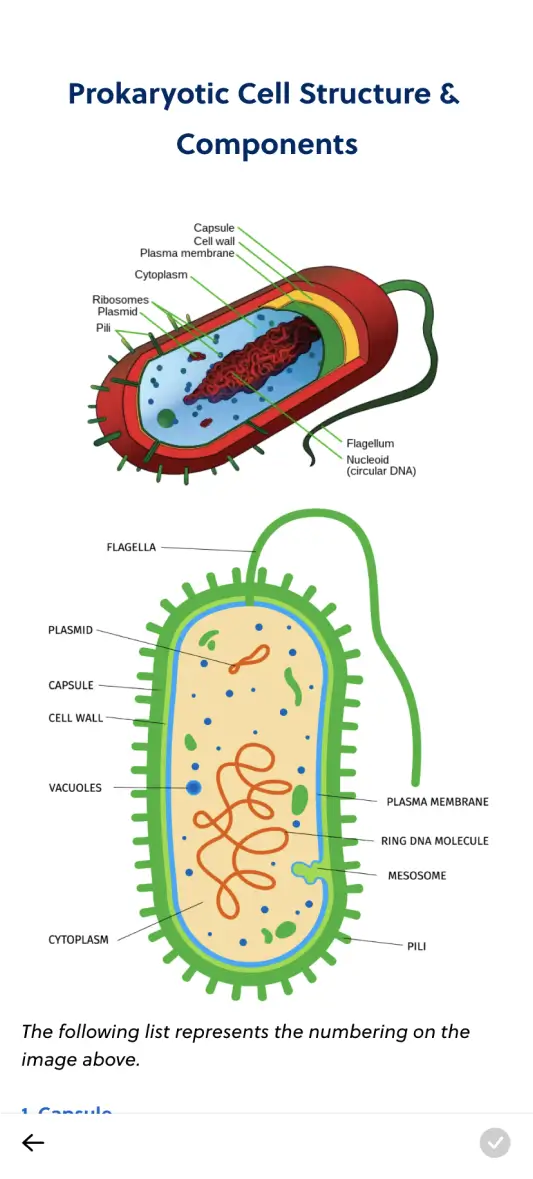
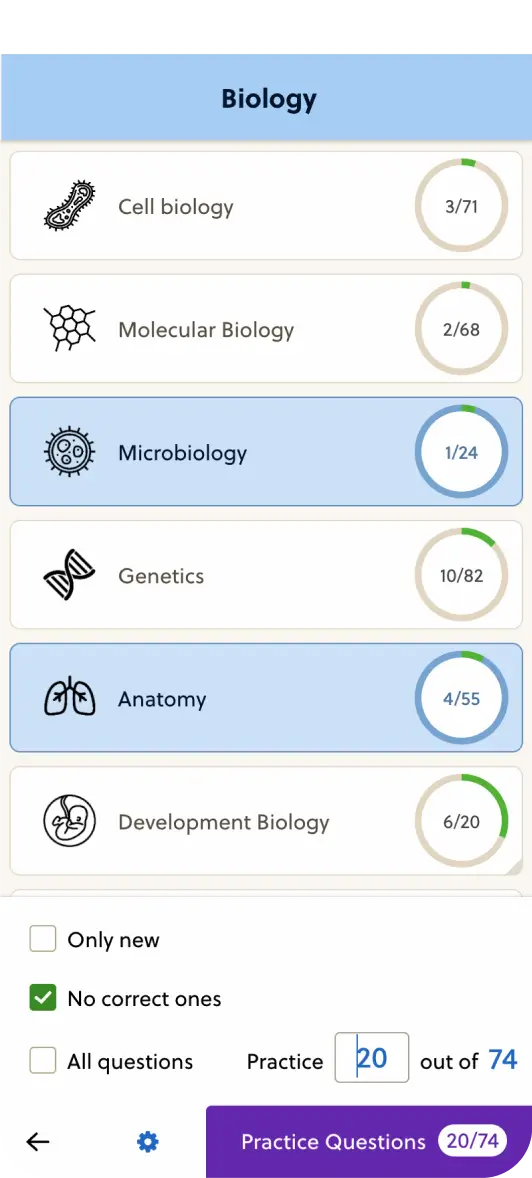
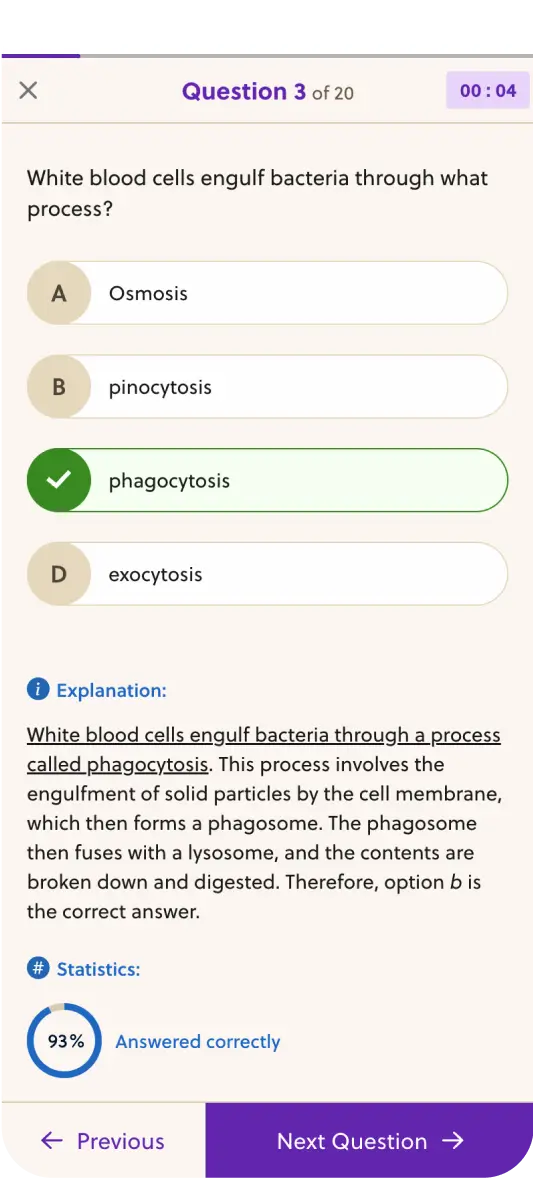
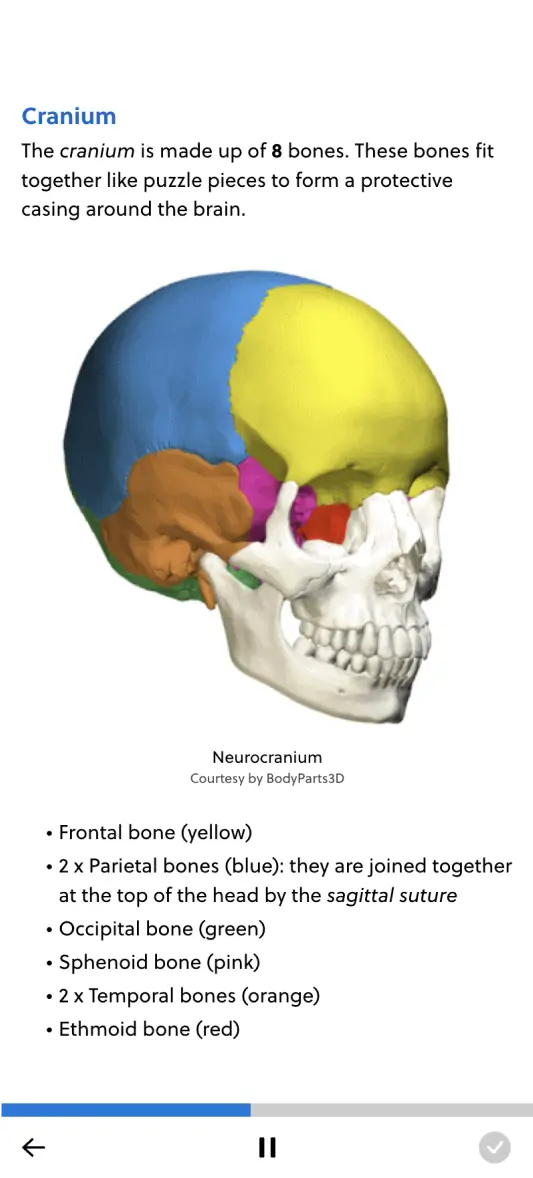
Understanding the **chapter-wise weightage for NEET Botany** helps in prioritizing topics. Based on analysis of previous years' papers, here is an approximate weightage distribution to guide your studies.
| Chapter / Unit | Expected Weightage (Approx.) |
|---|---|
| Genetics and Evolution | 24% |
| Ecology and Environment | 16% |
| Plant Physiology | 15% |
| Plant Diversity | 14% |
| Cell Structure and Function | 12% |
| Reproduction in Plants | 8% |
| Structural Organisation in Plants | 6% |
| Biology and Human Welfare (Plant-related) | 5% |
To excel in the **NEET 2026 exam**, focusing on pivotal Botany topics is essential. The following are high-yield areas based on their weightage and frequency in past exams.
- Plant Kingdom: Characteristics of Algae, Bryophytes, Pteridophytes, Gymnosperms, and Angiosperms.
- Plant Physiology: C3 & C4 cycles in Photosynthesis, Glycolysis & Krebs cycle in Respiration, Plant Hormones.
- Genetics: Mendel’s Laws, Dihybrid cross, Linkage, Codominance, Pedigree analysis, Genetic disorders.
- Molecular Basis of Inheritance: DNA replication, Transcription, Translation, Lac Operon.
- Ecology: Population interactions, Ecological pyramids, Biogeochemical cycles, Biodiversity conservation methods.
- Cell Biology: Mitosis vs. Meiosis (especially Prophase I), structure of cell organelles.
For **NEET UG 2026**, the right set of books is key. While NCERT is the foundation, here are highly recommended reference books for Botany.
| Best Botany Books for NEET 2026 | Author/Publication |
|---|---|
| NCERT Biology Textbooks (Class 11 & 12) | NCERT |
| A Class Book for Botany | A C Dutta |
| Objective Botany | Ansari |
| Trueman's Elementary Biology (Vol. 1) | Trueman Publications |
Mastering the **NEET Botany syllabus** requires a targeted strategy. Use these effective study tips to optimize your preparation for the **NEET 2026** exam.
- NCERT is Your Bible: Build your foundation by thoroughly reading and understanding the NCERT textbooks. Most questions are directly derived from here.
- Focus on Diagrams & Cycles: Pay special attention to diagrams of plant parts, life cycles of plant groups, and physiological cycles (Calvin cycle, Krebs cycle).
- Create Mind Maps: For chapters like Plant Kingdom and Morphology, create mind maps and flowcharts for easier revision of classifications and examples.
- Practice MCQs Daily: Solve chapter-wise Multiple-Choice Questions daily to improve speed, accuracy, and conceptual clarity.
- Regular Revision: Botany has many facts and examples. Schedule regular revision sessions, especially for Plant Diversity and Morphology, to ensure long-term retention.
What Our Students Are Saying
Master Every Subject for a Top All India Rank



Frequently Asked Questions